I was introduced to the concept of blogging in the 8th grade by my friend Graham who had moved to my middle school that year from Vancouver, BC. He was an especially tech-savvy kid, especially for the age of 13, but I couldn't understand why he or anyone would want to put their journal on the public internet for others to see. The notion of publicizing my woes on the web, subject to the judgment of my peers, or worse, strangers on the internet was a crippling thought. Clearly there was far more logic behind my choice to possess a physical diary due to the impenetrable metal permutation lock that Hallmark had fashionably glued between the front and back covers:
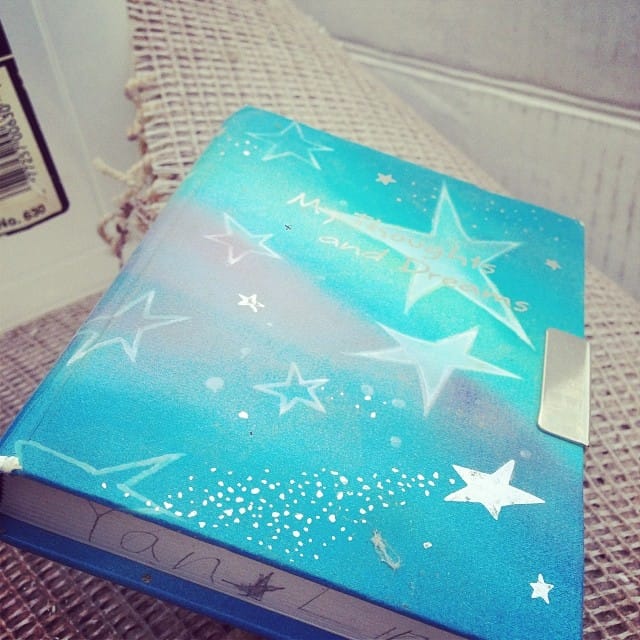
Across the 5 years of ownership, I never managed to fill the entire journal, and seldom graced pages with summaries of daily events and surface-level adolescent musings of how I had been slighted by the actions of other children. I think this very diary might still be at my parent's house, and perhaps one day I'll retrieve it if not for the entertainment value of its contents, then to see if there's a means to reverse engineer the lock.
At the time, the platform of choice was LiveJournal and its allure only became more enticing due to its self-imposed exclusivity; the platform was invite-only, allowing only those who had established accounts on the platform to become the platform's gatekeepers for account registration. Invites to the platform became immense social currency within overlapping friend groups at Holmes Jr. High in 2002 and resulted in a digital divide between the haves and the have-nots. Those who had LiveJournal accounts enjoyed their privileged status on committing their musings to the premiere platform, while others chose platforms such as Xanga, Blogspot, or (my personal favorite) DeadJournal, presumably due to teenage insubordination, or more likely lacking the patience or means to source an invitation.
The website was more than just a platform purposed to commit text to a database— the social features built around the core functionality helped foster connected-ness around its userbase. This in conjunction with the ability to customize site layouts encouraged users to own the look and feel of their spaces, and express their individualism. In my experience, the primary feature that made LiveJournal particularly addictive was the ability to follow other users. Doing so would make the /friends endpoint of your LiveJournal URL gather all of the posts of your friends into a chronological feed, enabling users to "catch up" with their followers. Even greater was the ability to leave threaded comments within individual posts. This became a central hub for asynchronous online socialization online years before Facebook rolled out its Status feature. It was not uncommon to interact with a follower of a friend in the comments section of their post, and make acquaintances in this fashion, exchanging your life stories over AOL Instant Messenger later that day, and becoming online pals before you ever exchanged a word at school.
A lot of millennials often mention that they learned some cursory HTML/CSS through stealing and editing MySpace layouts, but I like to think many folks started with LiveJournal. Having a snazzy layout decked with a radical color scheme was a way to set yourself aside from normies who simply had access to a stock LiveJournal page. I would not be surprised if some of these experiences helped drive guidelines for things like Color and Contrast Accessibility. Additionally during this era, filehosting and bandwidth was rarely free, and the ability to embed remotely hosted media such as background images for journal layouts, or photos embedded within posts had few unpaid options. While revisiting the LiveJournals of a few of my friends who never got around to deleting their accounts, I'm consistently impressed at how many images and hosting services are still online and accessible with their original URIs nearly two decades later.
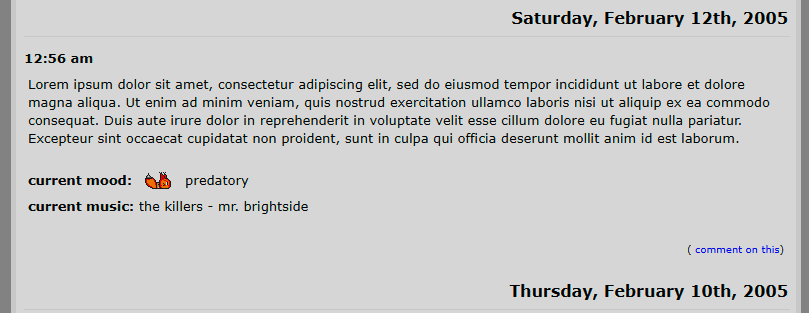
The content of most journal posts during this era were often a diceroll comprising of one or many of the following options:
- Winding surveys chain-posted from a friend's page
- Online quiz results (not unlike the ones that were a hallmark of Buzzfeed's popularity)
- Cryptic teenage emotions ranging from love to confusion to angst.
- A superficial account of one's day
- A dramatic account of one's day
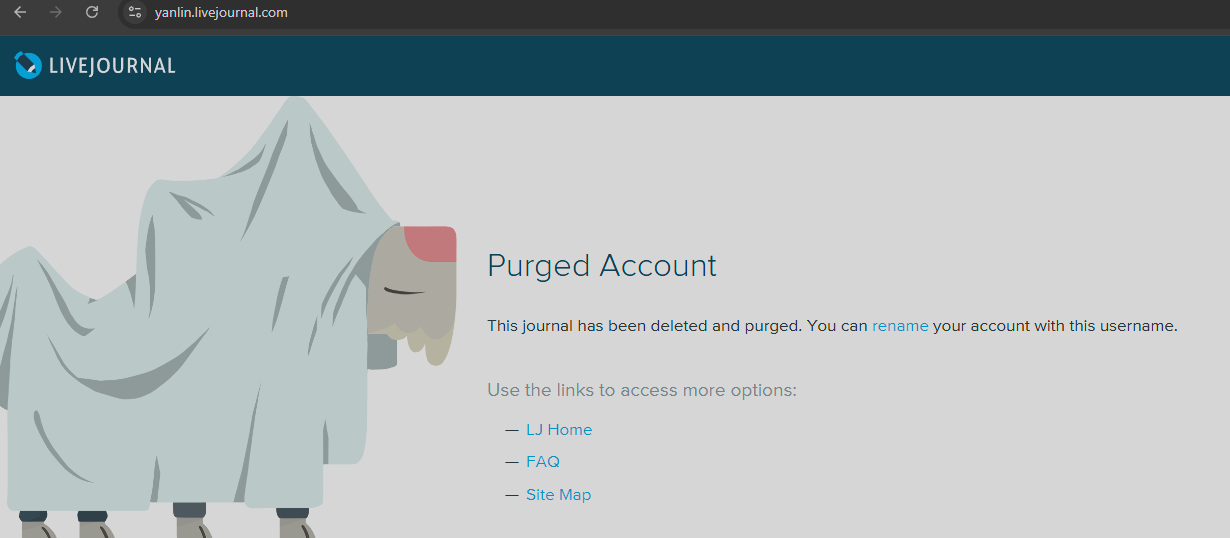
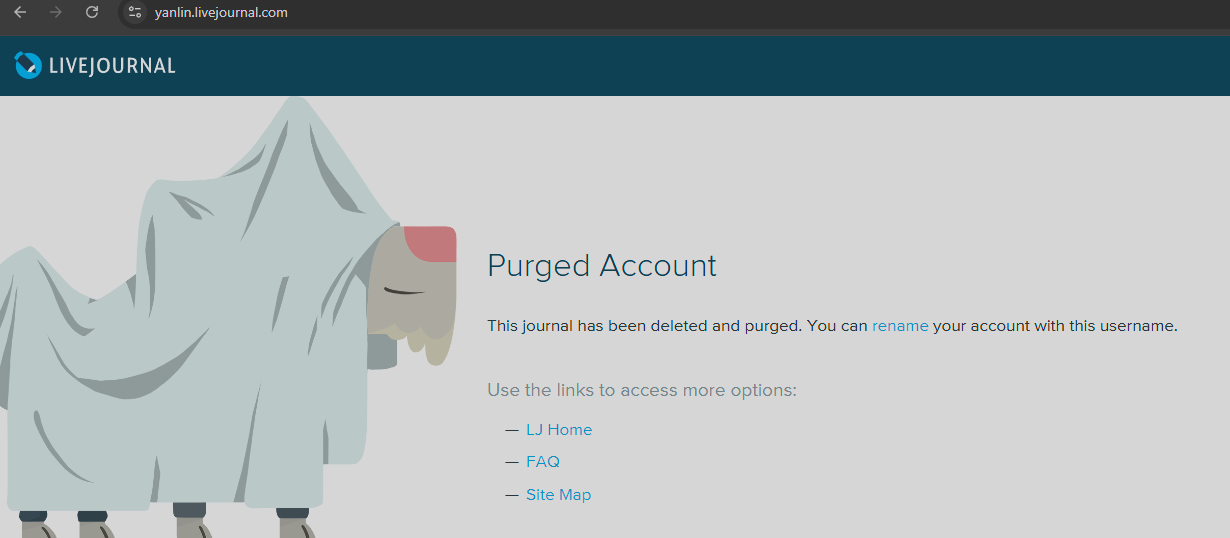
During the span of 4 years, I frequented LiveJournal almost daily, updating my account several times a week and also made a Friends Only account where I made posts about the injustices of my life, rocky teenage relationships, and my unfiltered thoughts that I felt only those who could commiserate should have access to. One day during my junior year of university, I read through some of my older posts, felt embarrassed at my adolescent cringe, and deleted my teenage autobiography forever.
I'm 37 now and on the precipice of parenthood. Blogging has been on my mind a lot recently while reminiscing about internet and how it's changed over the course of my life. I'm thinking I should be a lot more deliberate about my digital footprint, but have been feeling the need to commit my thoughts and memories to a place that I have full control over. Self-hosting my own services has been a really fulfilling hobby, and has been simultaneously helpful in my career. Even if the return to blogging doesn't pan out as a habit, I'm grateful that I'm providing myself an outlet.